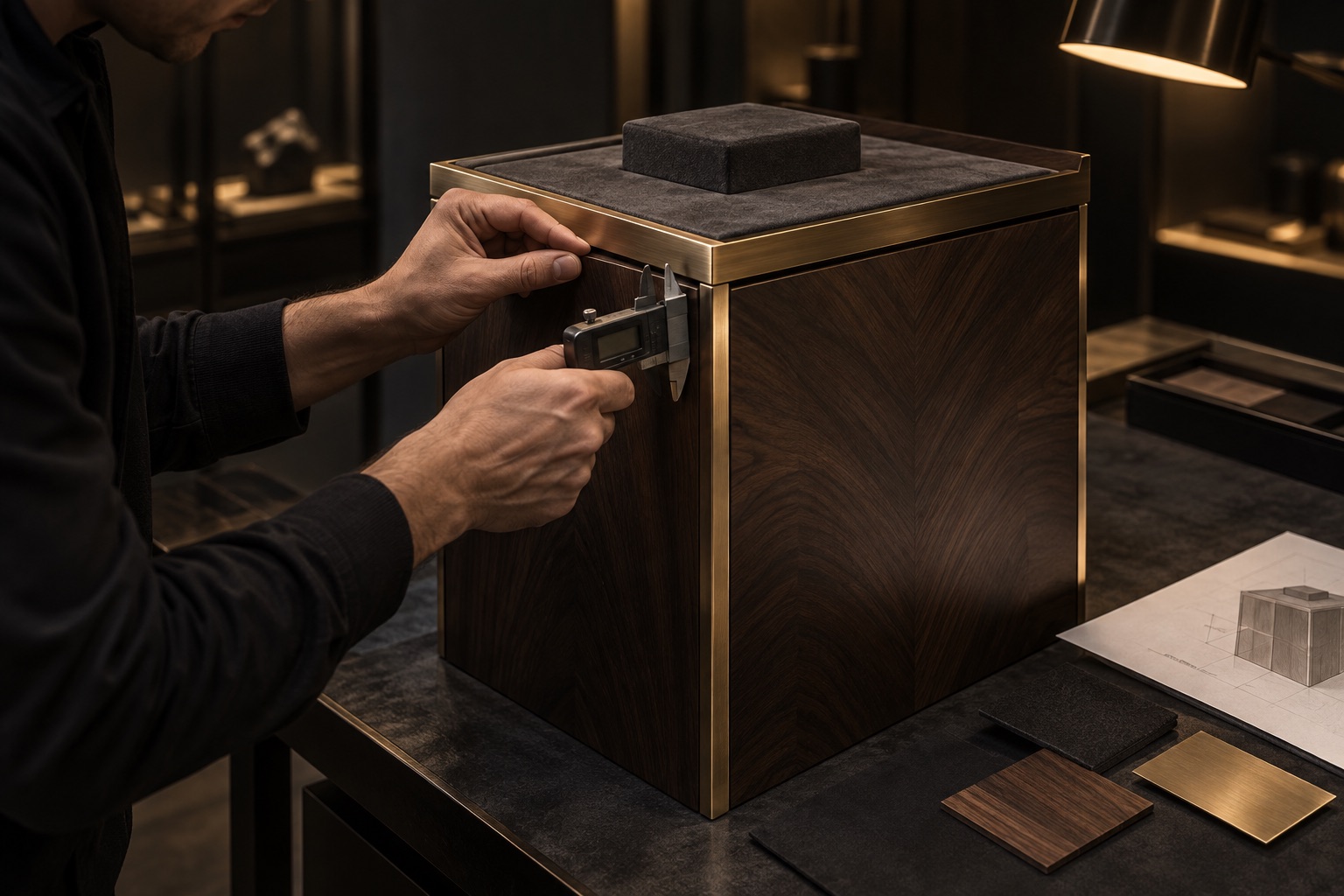
01 — Ürün Tasarımı
Product Design
Bespoke furniture, lighting and fixtures designed in-house and built by hand, from a single console to a full collection.
Read more →Practice
Design and construction stay under one roof, so nothing gets lost between the drawing board and the site. Tasarımdan uygulamaya tek ekip.
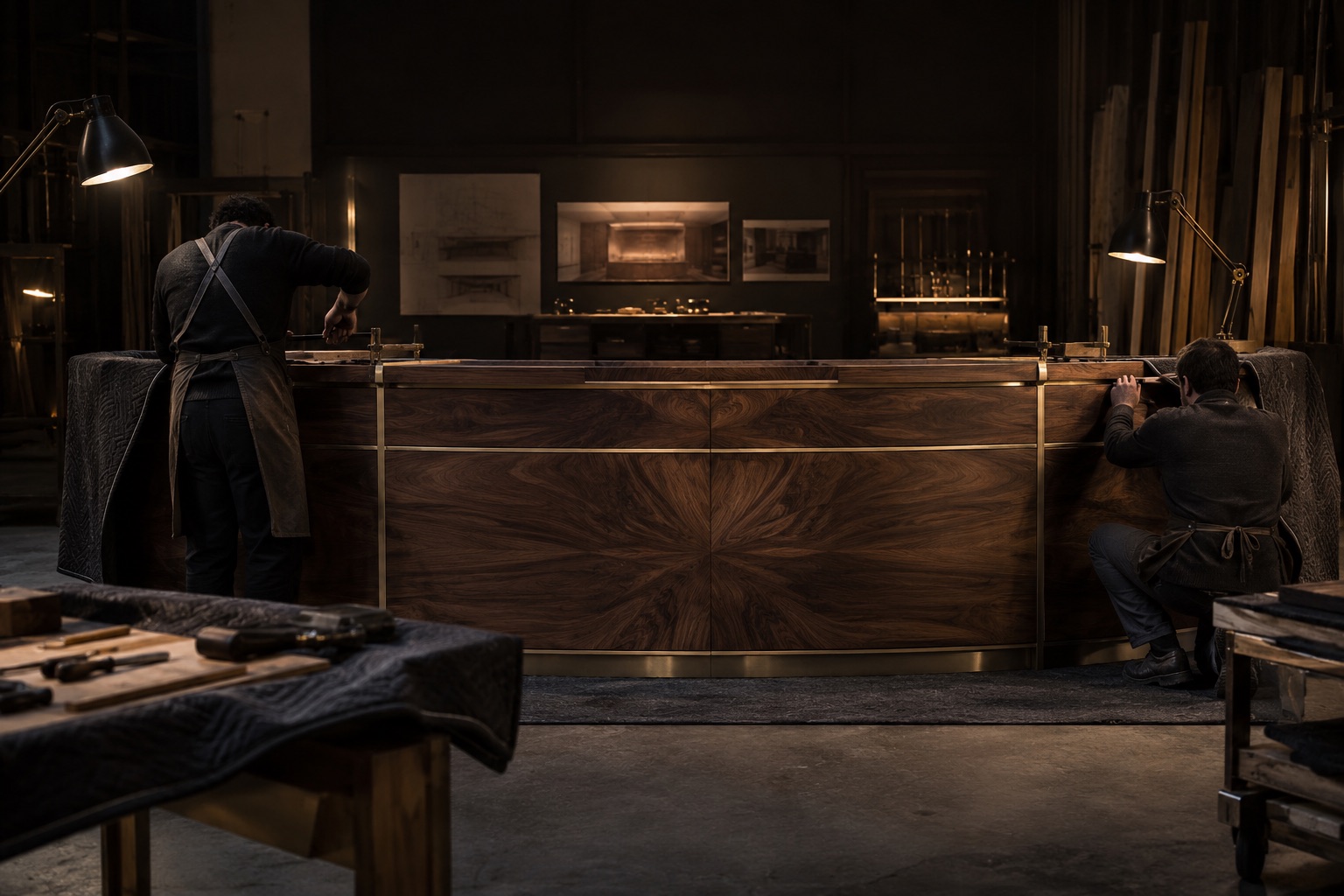

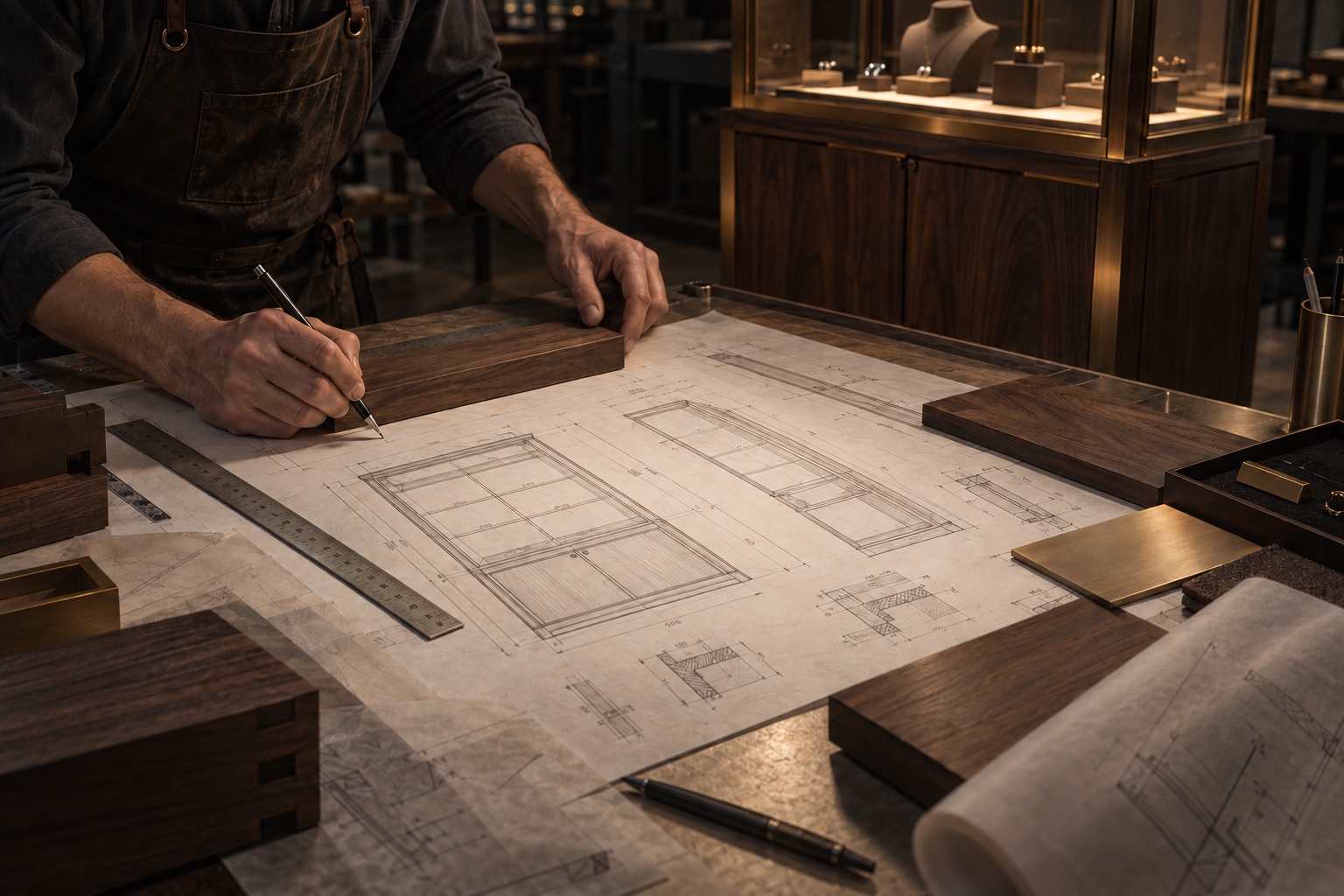
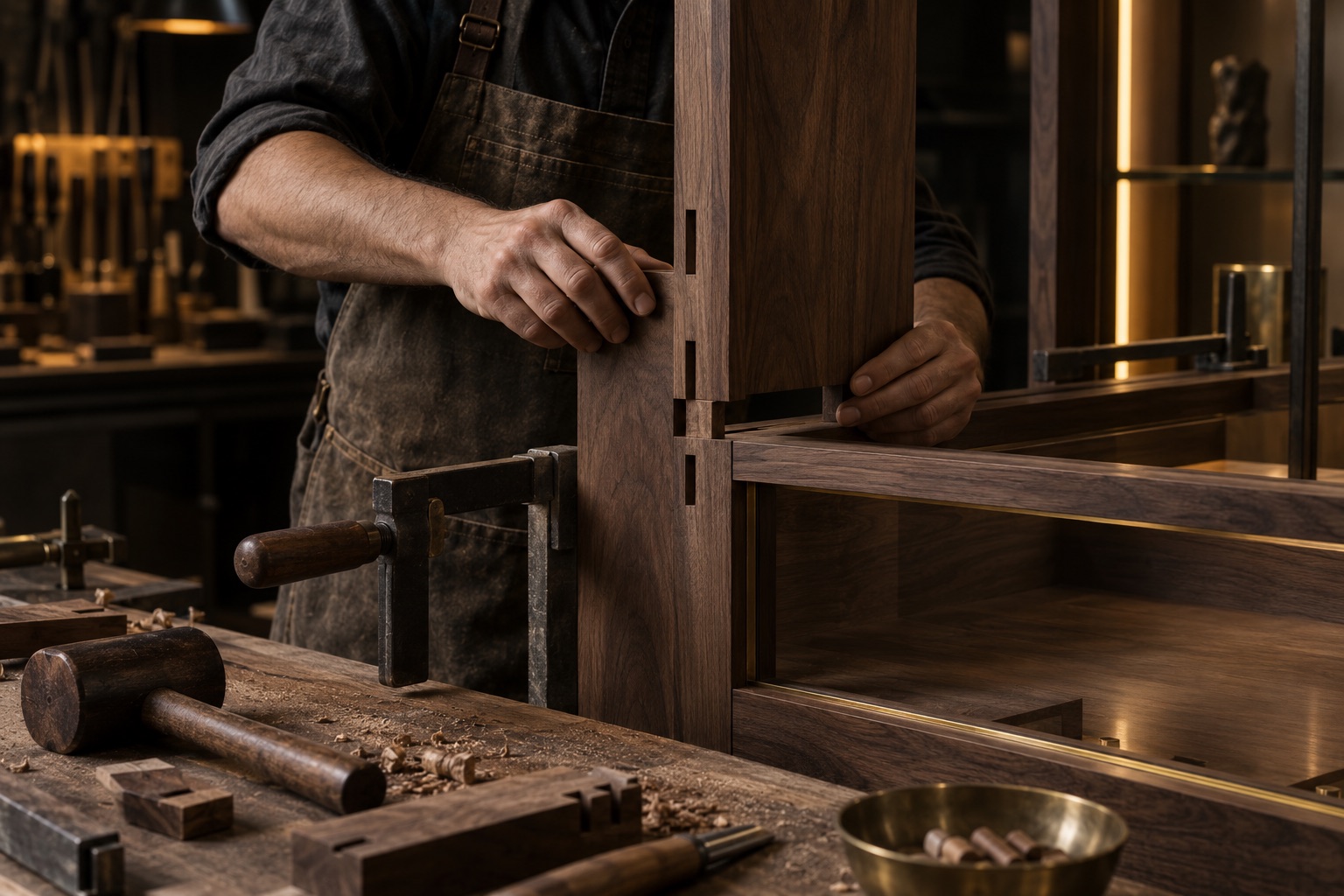
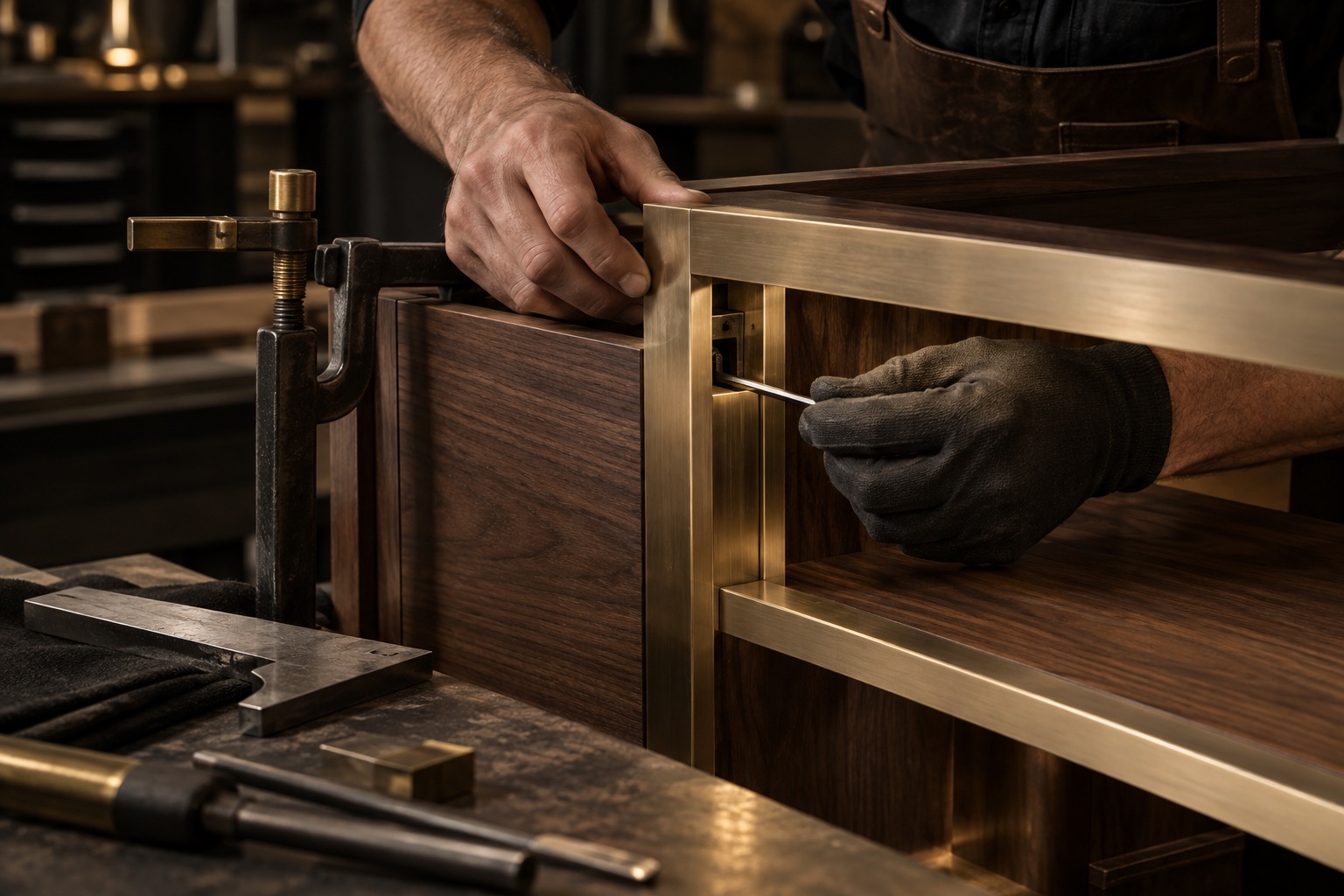

These images are AI-generated — a study of the construction site and workshop, not documentary photography.Bu görseller yapay zekâ ile üretilmiştir; şantiye ve atölyeye dair bir çalışmadır, belgesel fotoğraf değildir.
Notes on memory
Architectural design is often conceived through drawings, models, and visualizations. Yet, a building's true life begins not when design files are finalized, but when construction commences on-site. Decisions that appear definitive on paper are reshaped when confronted with material behavior, workmanship quality, existing site conditions, budget constraints, timeframes, and unforeseen technical issues. Consequently, the construction process is not merely the realization of a design but also its first encounter with the real world.
Every decision made on the construction site leaves a subtle mark on the building's future character. An on-site modification to a detail, a variation in material application, a craftsman's improvised solution, the way light behaves differently than anticipated, or the unexpected weathering of a surface—all become part of the design's final form. The building sheds its flawless, abstract state from the drawings and transforms into a tangible, material entity. This transformation simultaneously establishes the space's initial layer of memory.
However, the true memory of an architectural structure is formed once it comes into use.
When people enter a space, they do not merely use it; they alter it. Where they stand, the paths they choose, where they meet, which corners they claim as their own, and how they transform the space generate meanings that were never originally envisioned. A staircase may cease to be merely a structural element connecting two floors and instead become a place where people sit. A square designed as a transit zone may evolve over time into a venue for gatherings, protests, celebrations, or simply waiting. The function intended by the designer and the meaning created by the user do not always align.
The space physically records these modes of use as well. Wear on the floor, the polished surface of a door handle, material faded by the sun, a wall constantly touched by people, or furniture replaced over the years—these elements make the passage of time within a space visible. They are often viewed merely as maintenance issues, yet they are also documents of the structure's history.
For this reason, it is difficult to pinpoint a definitive moment when architectural design is complete. While the design process may technically end when the building is handed over, the evolution of the space continues. People, objects, events, and time add new layers to the structure.
Perhaps good architectural design is not merely that which dictates how a space is used, but that which allows users to shape their own experiences. After all, the memory of a space cannot be directly designed by the architect; the designer can only create the conditions in which such memory can emerge.
Thereafter, the space begins to live.
And as time passes, the structure ceases to be just a designed object; it transforms into a repository of memory, bearing the traces left by people, the events that have unfolded, and the evolving ways in which it is used.
01 — Ürün Tasarımı
Bespoke furniture, lighting and fixtures designed in-house and built by hand, from a single console to a full collection.
Read more →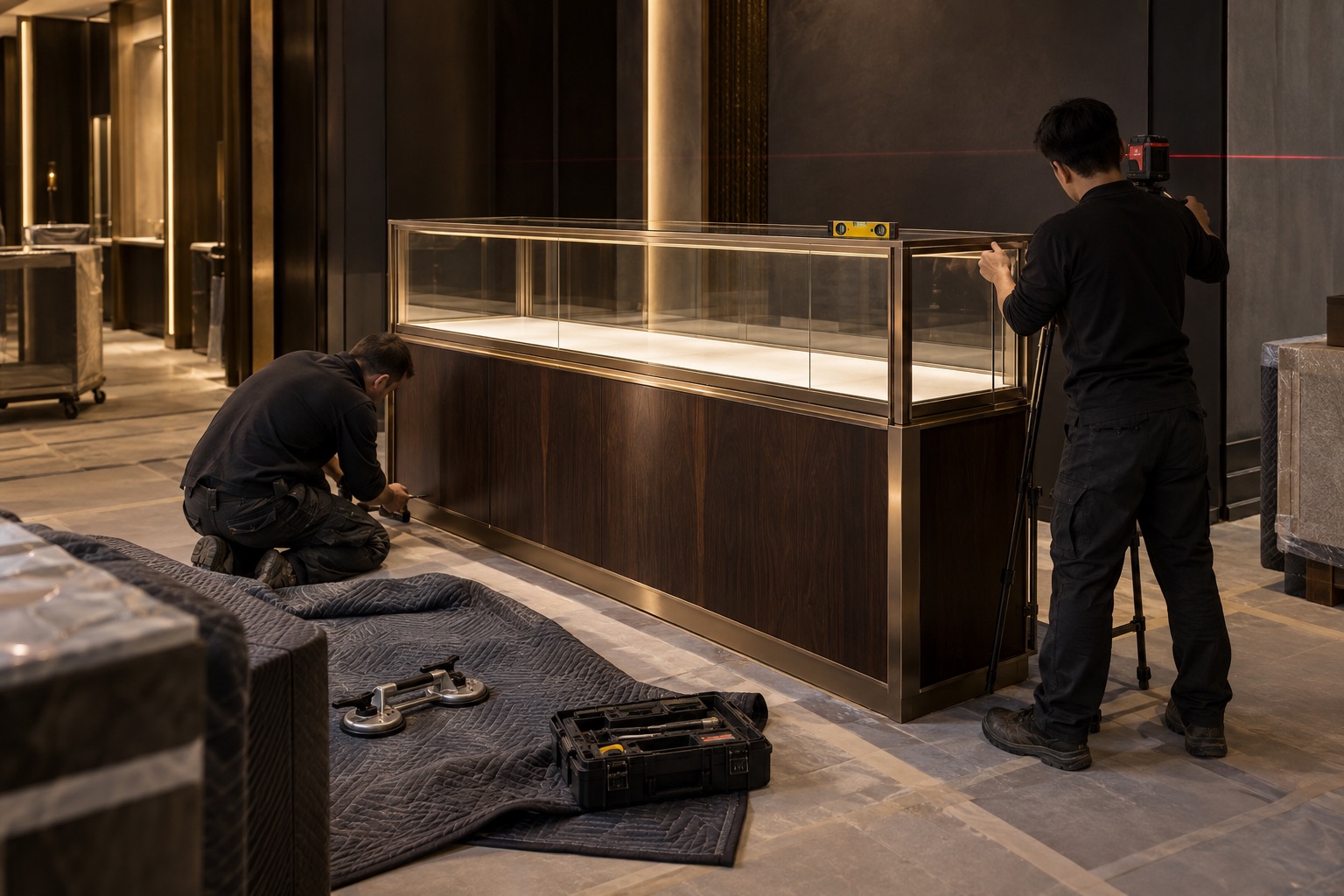
02 — Anahtar Teslim Uygulama
Turnkey construction management that keeps the architect's intent intact from groundbreaking to handover.
Read more →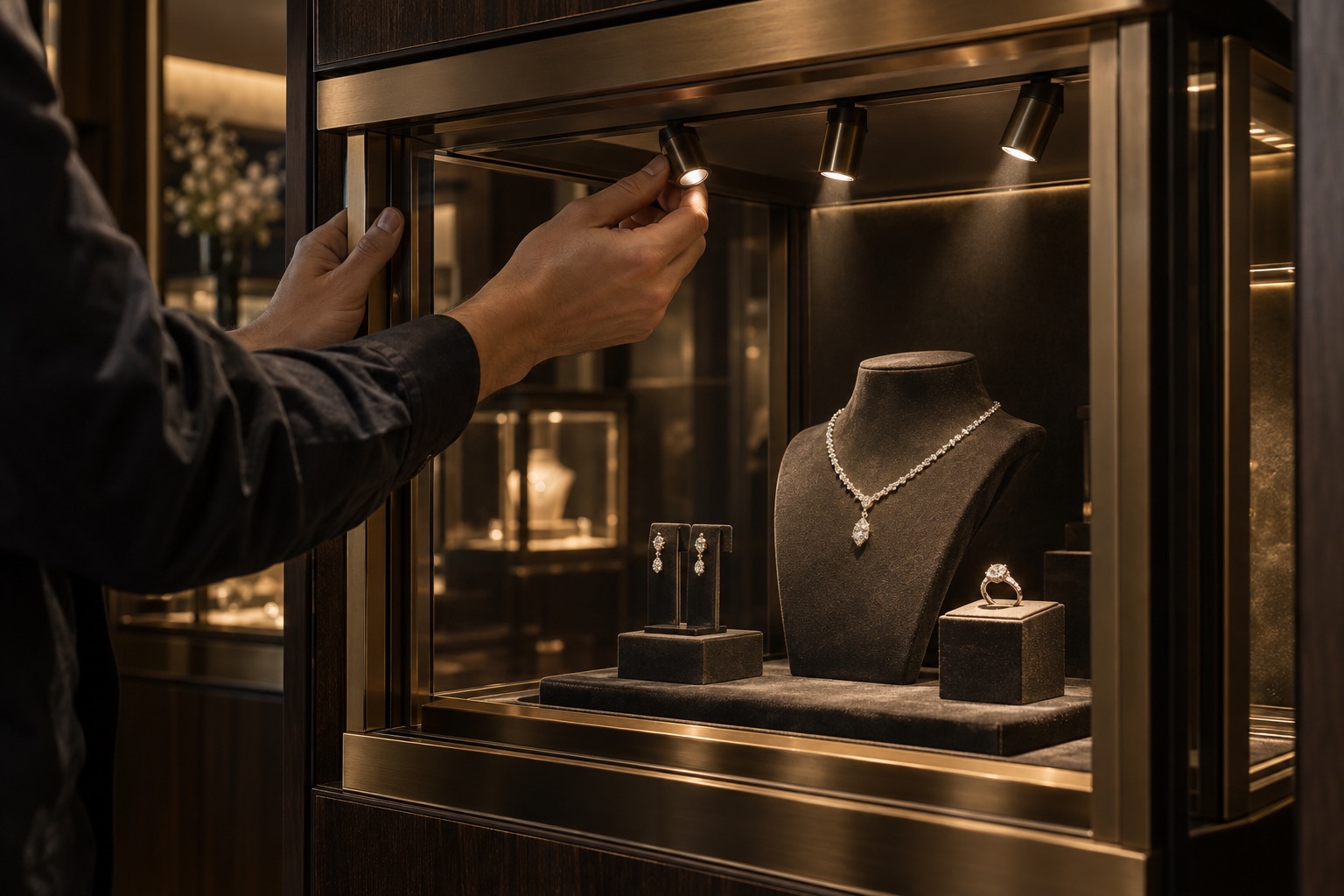
03 — İç Mekan Tasarımı
Interior design and joinery detailing developed alongside the architecture, not as an afterthought.
Read more →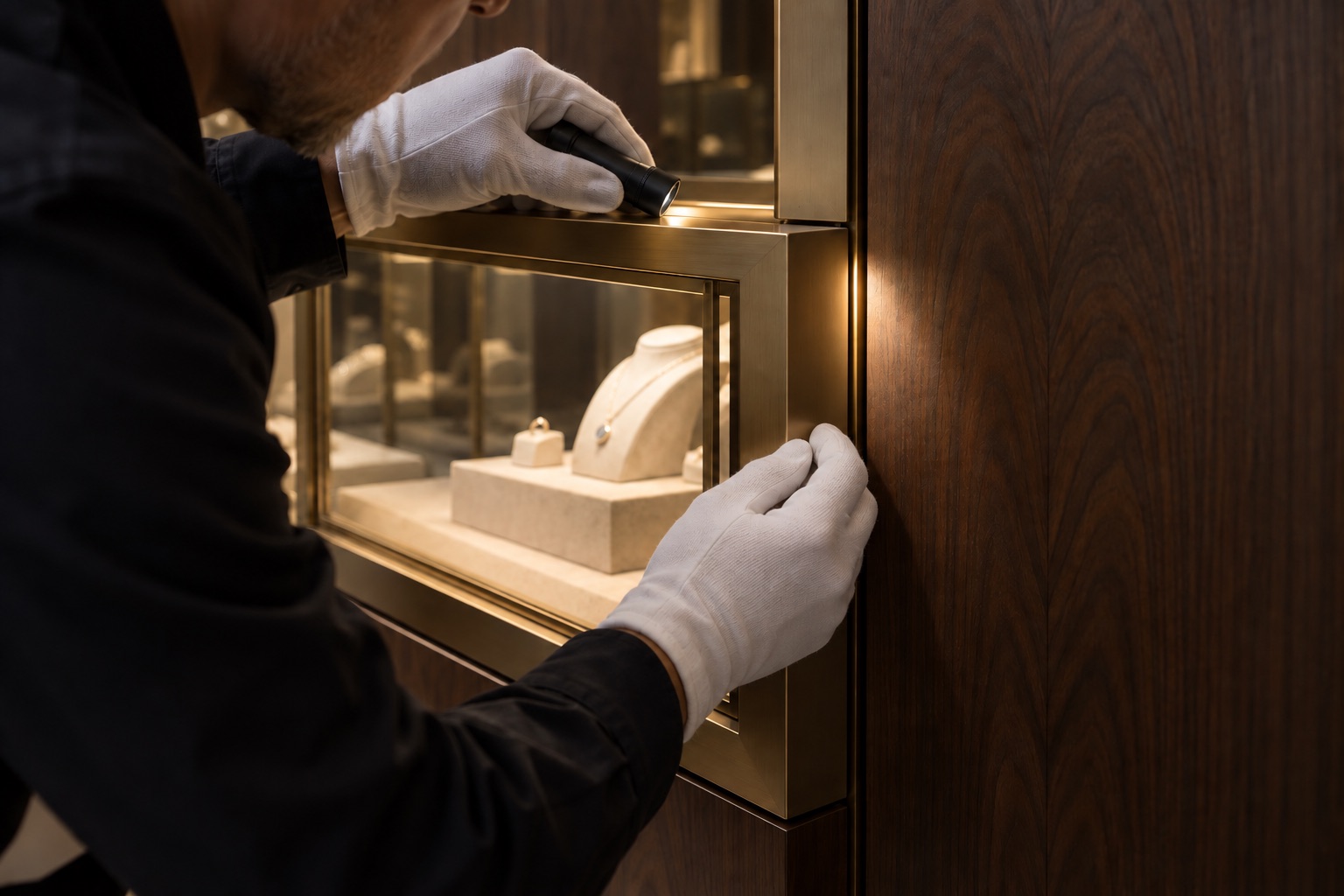
04 — Restorasyon ve Yenileme
Sensitive renovation of existing buildings and restoration of historic structures, including listed properties.
Read more →